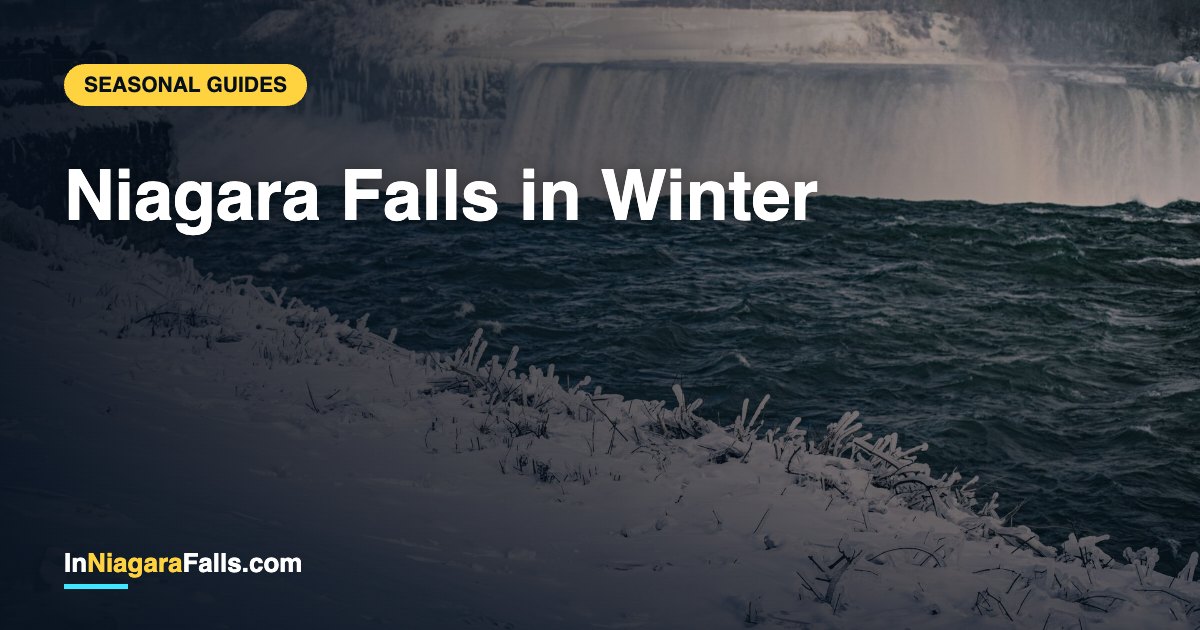
Most visitors assume Niagara Falls is a summer destination. They’re missing one of Canada’s most extraordinary seasonal experiences. Niagara Falls in winter delivers something genuinely impossible to see in other seasons — extraordinary ice formations covering every surface, the falls themselves partially frozen, and the magical Winter Festival of Lights illuminating the gorge in millions of colours. Is it worth visiting Niagara Falls in winter? Absolutely yes — if you know what to expect.
What Makes Winter Niagara Falls Unique
The constant mist generated by the Horseshoe Falls freezes on contact with every nearby surface when temperatures drop below -5°C. The railings, the trees, the cliff faces, and the rocks along the gorge accumulate thick layers of ice — creating a surreal frozen landscape that photographers travel from around the world to capture. The partially frozen falls, with curtains of ice hanging from the cliff edges and ice bridges forming in the gorge below, look entirely different from their summer appearance. This is a completely unique version of Niagara Falls in winter that no summer photograph prepares you for.
Winter Festival of Lights
Running from late November through February, the Winter Festival of Lights is the anchor event of the winter season in Niagara Falls Canada. Over 3 million lights illuminate the falls, the Niagara Parkway, and surrounding attractions in elaborate themed displays. The illuminated falls are the centrepiece — the coloured lights playing off the ice formations create a visual spectacle unlike anything the summer illumination delivers. The Festival of Lights is largely free to enjoy from the parkway and Queen Victoria Park, making it one of the best value experiences available in Niagara Falls at any time of year.
What’s Open in Niagara Falls in Winter
Open Year-Round
- Journey Behind the Falls: The tunnels behind the Horseshoe Falls operate year-round. Winter actually enhances this experience — the ice formations visible from the observation decks are extraordinary
- Butterfly Conservatory: A warm tropical escape inside the Niagara Parks botanical gardens — particularly welcome on cold winter days
- Fallsview Casino Resort: Gaming, dining, entertainment, and shopping — all climate-controlled and open year-round
- Skylon Tower Revolving Dining Room: Open year-round, with snow-covered gorge views in winter adding a dramatic dimension
- Niagara Falls History Museum: Excellent indoor alternative for cold days
Closed in Winter
- Niagara City Cruises boat tours: Closed November through April — plan accordingly
- White Water Walk: Closed November through April
- Whirlpool Aero Car: Closed November through March
- Many outdoor attractions: Some Niagara Parks facilities operate reduced winter hours
Winter Hotel Deals in Niagara Falls Canada
This is the most compelling practical argument for visiting Niagara Falls in winter: hotel prices drop 40–60% compared to summer peak rates. A Fallsview hotel room that costs CAD $450 in July regularly drops to CAD $180–$220 in January and February — including the same Horseshoe Falls view from your window, now framed by snow and ice. This is genuinely the best time of year to afford a falls view room at the top hotels. See our best hotels in Niagara Falls guide for specific properties and pricing.
Practical Winter Tips for Niagara Falls
- Dress in proper layers: Temperatures range from -5°C to 2°C in January and February. Wind chill near the falls and gorge can be severe — a good windproof outer layer is essential
- Wear waterproof footwear: Surfaces near the falls can be extremely slippery with ice and mist. Non-slip waterproof boots are strongly recommended
- Check road conditions if driving from Toronto: The QEW can be challenging in heavy snowfall — check Ontario 511 before departing
- The mist freezes on your camera: Keep your camera or phone warm and use a waterproof case near the falls observation areas
- Book Journey Behind the Falls in advance: Even in winter, this attraction can reach capacity on winter weekends
Best Dates for Winter Niagara Falls
January and February typically deliver the most dramatic ice formations — the longer the cold spell, the more ice accumulates. Midweek visits are particularly recommended in winter: the falls and parkway become genuinely peaceful and almost deserted on Tuesday and Wednesday mornings, creating an atmosphere completely unlike the summer tourist experience. Christmas and New Year’s are busy periods with higher hotel rates — aim for mid-January through February for the best combination of ice formations and lowest prices.
The Verdict: Is Niagara Falls Worth Visiting in Winter?
For travellers willing to dress appropriately and embrace the cold, Niagara Falls in winter is one of Canada’s most rewarding off-season travel experiences. The ice formations are genuinely spectacular, the prices are the lowest of the year, the crowds are minimal, and the Winter Festival of Lights adds colour and warmth to the dark season. Anyone who has only seen Niagara Falls in summer is missing half the story. Plan your winter visit with our guide to the best time to visit Niagara Falls Canada.